Circus Elephant Review for Boutique Apparel
As an experienced embroidery designer, I am constantly scanning digital marketplaces for designs that can elevate a small clothing brand or handmade shop. Recently, I came across the Circus Elephant design on Creative Fabrica, and it immediately caught my eye for potential use in a new kids' apparel collection. When you are building a boutique brand, especially one focused on playful themes like the circus, every element of your product must feel intentional and high-quality. This review breaks down how this specific machine embroidery design fits into real-world projects, from oversized hoodies to custom tote bags.
First Impressions: Visual Personality and Mood
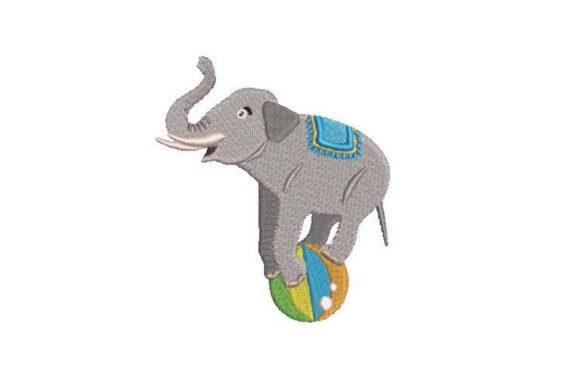
The moment I opened the file for Circus Elephant, the visual personality was clear. It exudes a sense of whimsy and nostalgia. The design feels less like a rigid corporate logo and more like a hand-drawn illustration brought to life with thread. For a designer planning a collection, this is crucial. It strikes a balance between being cute enough for children's clothing and bold enough to stand out as a statement piece on adult casual wear.
The stitching mood is playful yet structured. Unlike some designs that rely heavily on fill stitches which can look heavy, this design appears to utilize a mix of satin and running stitches that mimic the texture of felt or fabric patches. This gives it a premium, tactile feel. Whether you are aiming for a rustic vintage vibe or a modern, trendy aesthetic, Circus Elephant has the versatility to adapt. It is not overly feminine or strictly masculine; it sits comfortably in the "fun and functional" category, making it perfect for unisex sweatshirts and backpacks.
Applying Circus Elephant to Apparel Projects
Imagine preparing a small hoodie collection for your online shop. Placing Circus Elephant on a chest area of a neutral-colored sweatshirt creates an instant focal point. The design works exceptionally well on pastel hoodies, where the contrast allows the colors to pop without overwhelming the soft fabric. However, its performance is not limited to light garments.
On dark apparel, such as navy or black fleece, this design would require careful thread color selection to ensure visibility. If executed correctly, the elephant becomes a striking graphic element that elevates the perceived value of the garment. For a commercial embroidery project, placing the design on the back of an oversized garment could create a large, impactful statement piece that customers love to photograph for social media graphics. It transforms a standard hoodie into a wearable art piece.
Beyond clothing, Circus Elephant is an excellent candidate for lifestyle product photos. Imagine a denim jacket adorned with this design on the sleeve, paired with a matching tote bag. This consistency helps build a strong brand identity. For Etsy sellers, these coordinated items increase buyer trust because they signal that the shop owner pays attention to detail and offers a cohesive collection rather than random individual items.
Strategic Placement Ideas
- Hoodie Chest Placement: A classic spot that ensures the design is visible without interfering with zippers or seams.
- Sleeve Accents: Smaller iterations work well on the upper arm, adding a subtle touch of personality to plain t-shirts.
- Back Designs: Ideal for creating a signature look on sweatshirts, perfect for seasonal outfits like winter coats.
- Tote Bags: The design scales beautifully on canvas, making it a great add-on for custom merchandise.
Practical Considerations and Technical Challenges
While the design is visually appealing, a professional designer knows that execution is everything. There are specific areas where Circus Elephant requires careful handling. One of the primary concerns is stitch density. If the design is too dense, it can make the fabric stiff, particularly on stretchy fabrics like jersey or ribbed cuffs. This stiffness can lead to puckering if the stabilizer choice is incorrect.
When working with fleece or sweatshirt material, the natural give of the fabric can cause issues if the design is placed over curved surfaces. A dense fill might pull the fabric unevenly, distorting the shape of the elephant. Therefore, testing on scrap fabric is non-negotiable before committing to a full production run. You must inspect the stitch density to ensure it matches the weight of the garment. Heavy thread colors can also alter the visual impact, so reviewing thread color contrast against the base fabric is essential for a professional presentation.
Another critical factor is the hoop size. If the design exceeds the dimensions of your machine's hoop, you may need to reposition the garment, which risks alignment errors. Additionally, tiny lettering often gets lost in embroidery, so if the file includes text, verify that it remains legible after stitching. Dark garments present their own challenge; without a proper underlay or high-contrast thread, the design might disappear into the background, reducing product recognition.
Impact on Brand Value and Customer Engagement
In the world of handmade products and digital sellers, the quality of the embroidery directly affects customer engagement. A well-executed Circus Elephant design signals professionalism. It tells the buyer that the item is durable and thoughtfully made. This builds brand identity and fosters loyalty. Conversely, a poorly stitched design can undermine even the best marketing efforts.
For boutique brands, using a unique design like this helps differentiate your shop from mass-produced competitors. When customers see a consistent theme across their t-shirts, backpacks, and accessories, they are more likely to view the business as a legitimate source for custom apparel. This visual consistency is key to creating a memorable shopping experience.
Essential Designer Notes for Production
- Test on Scrap Fabric: Always run a test stitch on a piece of the same material you plan to use for the final product to check for puckering or distortion.
- Check Stabilizer Choice: Select a stabilizer that supports the weight of the design without adding unnecessary bulk to the finished product.
- Review Thread Color Contrast: Ensure the chosen threads provide enough contrast against the garment color to make the design pop.
- Confirm Hoop Size: Verify that the design dimensions fit within your machine's hoop capabilities to avoid alignment issues.
- Inspect Stitch Density: Look closely at the density settings to prevent the fabric from becoming too stiff or the threads from breaking.
- Compare Placement Options: Experiment with different locations on the garment to find the most flattering position for the design.
- Verify Licensing: Before selling finished apparel, carefully check the Creative Fabrica product details and licensing terms to ensure you have the right to use the design commercially.
Final Thoughts for the Creative Entrepreneur
The Circus Elephant design is a versatile asset for any creative entrepreneur looking to expand their custom apparel offerings. Its playful nature makes it ideal for kids' clothes, while its artistic style allows it to function as a trendy accent on adult fashion. Whether you are creating printable mockups for your website or producing physical goods for an Etsy listing, this design offers a solid foundation for building a cohesive collection.
By taking the time to test the design properly and paying attention to technical details like stabilizers and thread choices, you can ensure that your finished product reflects the high standards your customers expect. As you explore the entire collection of circus animals available, consider how each piece can contribute to a larger narrative for your brand. With the right approach, Circus Elephant can become a staple in your repertoire of machine embroidery designs, helping you create memorable, high-quality items that resonate with your audience.