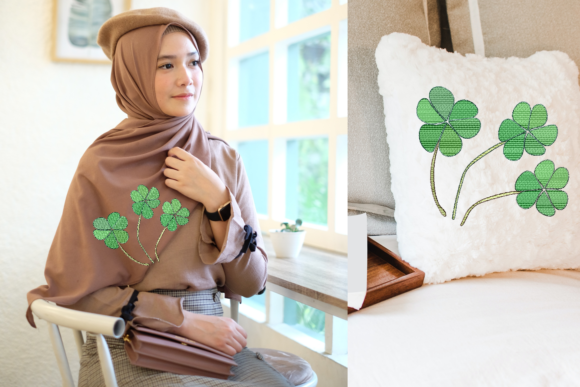
Review: Poison Ivy Embroidery for Boutique Apparel
As an experienced embroidery designer, I am constantly scanning Creative Fabrica for designs that can elevate a small clothing brand or add a unique touch to handmade products. Recently, I came across the Poison Ivy machine embroidery design within the Single Flowers category. While the name might suggest a warning, my professional assessment reveals this is actually a versatile and striking element perfect for outdoor-themed boutique apparel, camping gear, and rustic lifestyle collections.
In this review, I will share how this specific embroidery file fits into a modern sweatshirt collection, how it performs on various fabric textures, and what practical considerations every digital seller and Etsy entrepreneur should keep in mind before stitching.
First Impressions and Visual Personality
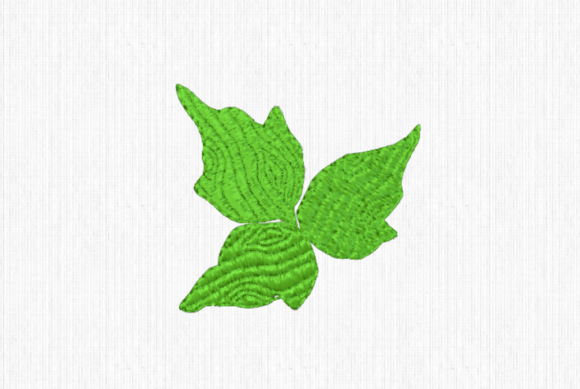
The moment I opened the file, the visual personality of Poison Ivy stood out. It does not feel like a generic leaf clipart; instead, it carries a distinct mood that balances playful with slightly edgy. The design captures the essence of nature with a bold silhouette that works exceptionally well as a statement piece.
For boutique brands looking to create cohesive product lines, this design offers a premium yet casual aesthetic. It feels natural and organic, making it ideal for customers who appreciate earthy tones and outdoor adventures. Whether you are aiming for a trendy, minimalist look or a more detailed, rustic vibe, the core structure of this leaf arrangement provides a strong foundation. It is decorative without being overwhelming, which is crucial when designing for chest placements or sleeve accents.
Ideas for Sweatshirt and Hoodie Collections
When planning a new drop for an online shop, selecting the right garment is just as important as choosing the design. I envision Poison Ivy looking stunning on neutral sweatshirts, where the simplicity of the fabric allows the embroidery to pop. The contrast between a soft beige or oatmeal hoodie and the dark greens of the leaves creates a sophisticated, high-end look that appeals to modern consumers.
However, the versatility extends beyond neutrals. Imagine placing this design on pastel hoodies for a spring collection. The unexpected pairing of a "warning" plant theme with soft colors could become a signature style for your brand, appealing to younger demographics who enjoy irony and unique fashion statements. For a bolder approach, using the design on dark apparel like charcoal or navy requires careful thread selection, but the result can be incredibly dramatic and eye-catching.
Consider also oversized garments. The loose fit of an oversized hoodie or t-shirt provides ample space for larger embroidery applications. You could place a single cluster on the front left chest for a subtle nod to nature, or utilize the back panel for a larger, more intricate composition that turns the wearer into a walking advertisement for your brand identity.
Expanding Beyond Apparel
While sweatshirts are a staple, the commercial potential of this embroidery file goes further. Denim jackets offer a rugged texture that pairs perfectly with botanical themes. Stitching Poison Ivy onto the back of a vintage-style denim jacket could become a bestseller for those seeking custom, one-of-a-kind pieces.
Tote bags are another excellent candidate. A canvas tote featuring this design is not only functional but also serves as a portable billboard for your business. When customers carry these bags through markets or coffee shops, they generate free exposure for your handmade product line. Additionally, cozy seasonal outfits, such as flannel shirts or winter beanies, can benefit from the rustic charm of this leaf motif.
Strategic Placement and Design Considerations
Successful embroidery relies heavily on placement. For smaller chest placements, ensure the design is scaled appropriately so it does not look cramped against the neckline or side seams. If you are targeting a wide audience, including children or petite adults, a smaller scale version of this design might be necessary.
Dense stitch areas require attention. If the design features heavy fill stitches, it may alter the drape of lightweight fabrics. On stretchy fabrics like jersey knits, excessive density can cause puckering. To mitigate this, always use the correct stabilizer and consider hooping techniques that minimize tension on the garment.
Fleece and ribbed fabric present their own challenges. Fleece can sometimes hide fine details, so test the thread color contrast carefully. Ribbed areas, such as cuffs or collars, are prone to distortion if the hoop size is too small or if the fabric is stretched during stitching. Curved surfaces, like the shoulders of a hoodie, can make flat designs appear distorted unless adjusted for curvature.
Be cautious with tiny lettering or very fine details if your target market includes users with lower-resolution printing needs or if the design is intended for social media graphics where clarity is paramount. Always inspect the stitch density to ensure the finished product maintains its visual integrity.
Impact on Brand Identity and Product Value
Choosing the right design directly influences buyer trust and product recognition. A well-executed Poison Ivy embroidery project signals professionalism. It shows that you have invested time in quality control and understand the nuances of embroidery file production.
For Etsy sellers and small shop owners, consistent visual presentation is key. Using high-quality images of your finished products, perhaps paired with printable mockups that showcase the design on various garments, can significantly boost customer engagement. When a buyer sees a crisp, clean stitch job on a premium sweatshirt, they are more likely to perceive the entire brand as trustworthy and reliable.
This design can also help define your niche. If your boutique focuses on outdoor enthusiasts, hikers, or nature lovers, Poison Ivy acts as an immediate visual cue that resonates with your target audience. It reinforces your brand story and helps differentiate your items from mass-produced alternatives found in big-box stores.
Practical Notes for Production Success
Before committing to a full production run, there are several technical steps every designer must take. First, always test on scrap fabric that matches your final garment material. This ensures that the thread colors provide the desired contrast and that the stabilizer choice prevents any unwanted shifting or bubbling.
Review the thread color palette carefully. Depending on the background fabric, you may need to switch from standard green threads to metallics or variegated options to achieve the desired effect. Confirming the hoop size is essential to avoid cutting off parts of the design or creating unnecessary bulk around the edges.
Inspect the stitch density closely. High-density designs often require a stronger backing or multiple layers of stabilizer to maintain their shape. If you are unsure about the specific requirements, check the Creative Fabrica product details page thoroughly. Many designers forget to mention critical file formats or machine compatibility, so verifying these details before starting is vital.
Finally, never overlook the licensing terms. If you plan to sell finished apparel commercially, ensure that the Poison Ivy license permits end-use sales. Some digital embroidery files are for personal use only, while others allow for limited commercial production. Understanding these distinctions protects your business and ensures you remain compliant with intellectual property laws.
Conclusion
The Poison Ivy machine embroidery design offers a compelling option for decorators, boutique owners, and creative entrepreneurs looking to expand their inventory. Its blend of natural beauty and bold character makes it suitable for a wide range of projects, from cozy hoodies to rugged camping gear. By paying close attention to fabric selection, stabilizer usage, and placement strategies, you can transform this simple leaf motif into a standout feature of your custom apparel line.
Whether you are preparing a seasonal collection or refreshing your Etsy listings, taking the time to test and refine your application of this design will pay off in the form of higher customer satisfaction and stronger brand loyalty. With the right execution, Poison Ivy becomes more than just a plant; it becomes a symbol of quality and creativity in your handmade product offerings.