Mini Rose Flower: A Designer's Review for Craft Fairs
As an experienced embroidery designer who spends weekends prepping booths and managing a small handmade shop, I know that the difference between a design that sits on a shelf and one that sells out in minutes often comes down to versatility and visual impact. Today, I am reviewing the Mini Rose Flower, a machine embroidery design from the Single Flowers category. Before turning this digital asset into a finished product for my weekend market booth, I need to evaluate its potential as a craft fair product. Does it have that "romantic" appeal mentioned in the description? Can it stand up to the rigorous demands of production?
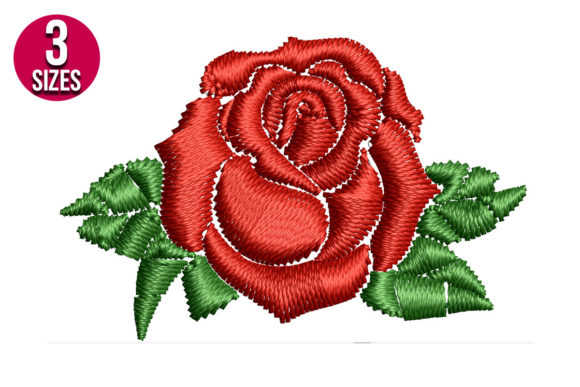
The first impression of the Mini Rose Flower is undeniably elegant and soft. The title suggests something delicate rather than bold or rustic, which immediately signals to me that this design will work best for customers seeking a feminine, boutique aesthetic. In a sea of farmhouse signs and modern geometric patterns at a craft fair, a romantic rose offers a classic touch that appeals to a wide demographic. It feels premium enough to justify a higher price point on items like apron embroidery or high-end tote bag designs, yet simple enough to be used as a subtle accent on smaller goods.
Visual Impact and Product Applications
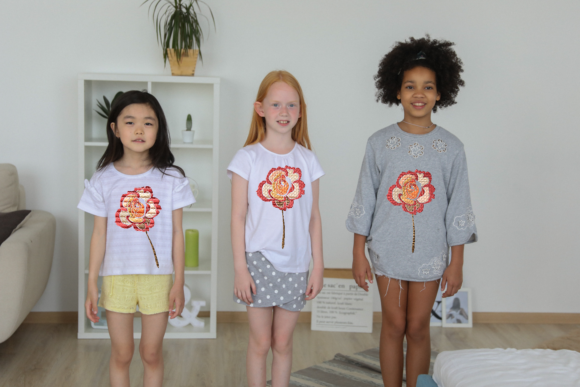
When I imagine placing the Mini Rose Flower on a display table, I see it excelling as a focal point on specific items while maintaining clarity. For tote bag design projects, this mini rose works beautifully as a centered chest pocket detail or a clustered motif near the bottom hem. Because it is described as a "superb mini" design, it likely avoids the bulkiness that can ruin the drape of canvas bags. Customers love seeing clean, defined flowers on their everyday carry items.
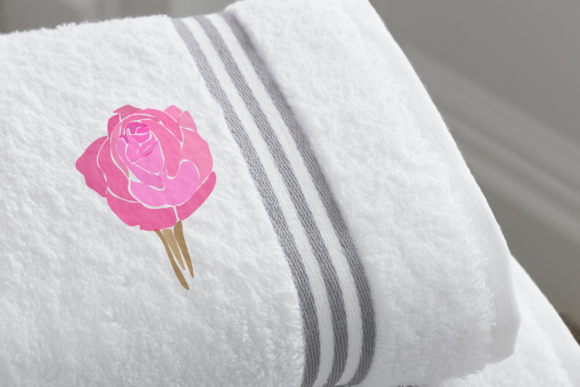
I also envision this design transforming standard kitchen linens. On a tea towel embroidery project, the romantic look of the rose adds a touch of warmth to a functional item. It photographs exceptionally well for online listings, where the contrast of the thread against white or cream linen makes the design pop. Similarly, for apron embroidery, this flower serves as a perfect signature element on the bib area. It creates an immediate association with home cooking and hospitality, making it a strong seller for gift buyers looking for personalized items.
For those selling digital assets or creating embroidered patch products, the Mini Rose Flower offers excellent utility. Its compact nature means it can be easily digitized into patches for caps or fabric pouches without overwhelming the surface area. When placed on a cap, the curved surface requires careful attention to stitch density, but a well-executed mini rose looks professional and chic. It is also ideal for pillow covers, where a single floral accent can elevate a plain throw pillow into a decorative piece worthy of a boutique shelf.
Photography and Online Sales Strategy
As an Etsy seller or creative entrepreneur, I know that how a product photographs dictates its success. The Mini Rose Flower appears to have a clear structure that translates well to digital mockups. When creating a printable mockup for an Etsy listing, the design's elegance allows it to stand out even in thumbnail views. It does not require massive scale to be noticed; instead, it relies on the quality of the stitches and the color contrast. This makes it a versatile design asset for creating cohesive collections. Whether you are selling small shop products or scaling up to commercial embroidery lines, the consistency of this floral motif helps build brand recognition.
The design also lends itself well to batch production. If I were preparing for a busy holiday season, I could quickly produce multiple units of market bags or handmade gifts featuring this rose. Its repeatable nature ensures that every finished product maintains the same level of quality, which is crucial for customer retention. However, because it is a "mini" design, it may struggle if attempted as a large focal design on oversized items. It shines best when used as a refined detail rather than a massive centerpiece.
Production Practicality and Technical Considerations
Before committing to a full run of inventory, any serious embroidery business owner must consider the technical realities of the design. The description mentions that the embroidery file comes in multiple formats, which is a huge plus for compatibility. However, the devil is in the details. I would advise checking the stitch density carefully. Dense stitch areas can sometimes cause puckering, especially on thin fabrics like cotton tees or lightweight towels. If the stitch density is too high, the design might lose definition or create a stiff texture that feels unprofessional.
Fabric texture plays a massive role in the final outcome. While the Mini Rose Flower looks great on smooth surfaces, textured towels or thick denim might obscure the finer details of the petals. If the design includes tiny details or small lettering (if applicable), these elements risk getting lost on dark fabric or heavily textured materials. For curved cap surfaces, the hoop size and the stability of the fabric become critical. A design that looks perfect flat on a frame might distort when pulled over the curve of a hat cap. Always test on scrap fabric before running a commercial order.
Thread colors are another variable that affects visual appeal. The description highlights a "romantic look," which typically implies softer pinks, creams, or muted reds. Using high-contrast threads against dark backgrounds can make the design pop, but using low-contrast threads on light backgrounds might make the rose disappear. It is essential to review the spacing of the design elements to ensure they do not crowd each other, which can lead to thread breaks or messy stitching during production.
Essential Designer Notes for Success
To ensure the finished product meets the highest standards, I recommend following a strict production checklist. First, always test the design on scrap fabric that matches your intended final material. This step reveals issues with hoop size limitations or stabilizer requirements before you waste expensive inventory. You should inspect the stitch density under good lighting to confirm that no gaps exist in the satin stitches or fill areas.
Using the right stabilizer is non-negotiable. For items like tote bag design projects or apron embroidery, a cut-away stabilizer is often necessary to prevent distortion over time. Conversely, for washable items like tea towel embroidery, a tear-away might suffice, but testing is key. Create at least one real mockup to photograph for your social media and website. Comparing different fabric colors will help you determine which combinations sell best in your booth. Finally, confirm the commercial licensing terms of the digital file. Selling handmade products for profit requires a license that explicitly permits commercial use; without it, you risk legal issues.
In conclusion, the Mini Rose Flower is a strong candidate for adding elegance to a craft fair booth. Its romantic and sophisticated vibe fits perfectly with current trends in embroidery and handmade goods. By paying close attention to fabric choices, stabilizers, and production techniques, sellers can transform this digital file into high-value items that capture customer attention and drive sales. Whether you are a solo crafter or running a larger embroidery business, this design offers the flexibility needed to create a diverse range of profitable products.