Chick Embroidery Design Review for Small Business Merch
As an experienced embroidery designer who has spent years refining designs for commercial use, I approach every new asset with a critical eye. When evaluating the Chick design for small business merchandise and branded patch applications, my goal is to determine if it holds up under the scrutiny of real-world production. This review moves beyond simple aesthetics to analyze how this machine embroidery design functions as a tool for brand identity, customer trust, and product value.
First Impressions: Personality and Brand Fit
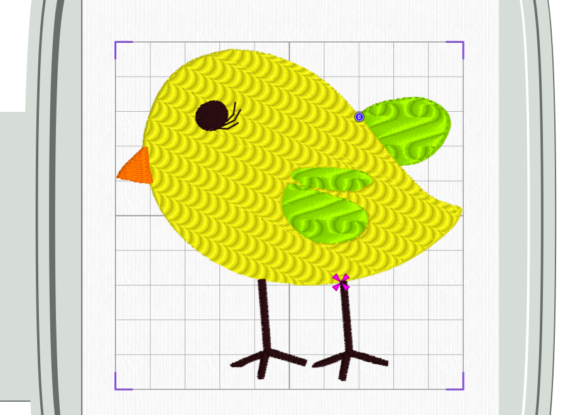
The description highlights that Chick is a cute baby chick perfect for baby items like blankets, burp cloths, and onesies. From a professional standpoint, the immediate feeling is one of warmth and approachability. The design exudes a playful yet premium vibe that suggests a handmade product rather than mass-produced factory goods. For brands in the bakery, florist, pet care, or boutique sectors, this personality aligns perfectly with a desire to appear friendly and accessible.
However, "cute" can sometimes conflict with "professional." In a business context, the design must strike a balance between being charming and maintaining a level of sophistication that justifies a higher price point. If your brand voice is rustic, modern, or classic, Chick offers a versatile foundation. It feels organic enough for a farm-to-table café but distinct enough to stand out on a tote bag design or a custom apron embroidery project. The key is ensuring the visual weight of the chick matches the scale of your other design assets.
Real-World Application: Patches, Uniforms, and Accessories
The true test of any digital embroidery file is how it translates from screen to fabric across various mediums. Let us imagine a scenario where a local boutique or creative studio wants to launch a line of branded merchandise. How does Chick perform?
- Embroidered Patches: This design has strong potential as an embroidered patch. Whether applied to the sleeve of a work shirt or the chest of a denim jacket, a chick motif adds a unique focal point. However, the success here depends heavily on the stitch density and outline clarity. A well-executed patch featuring Chick can become a signature element of staff uniforms, signaling a cohesive team identity.
- Cap Embroidery: For caps, the design works best as a compact accent. A small chick logo on the front panel or side of a hat creates a subtle nod to the brand without overwhelming the wearer. It is ideal for event merch or promotional giveaways where a soft, inviting image encourages engagement.
- Tote Bag Design: On canvas or cotton tote bags, Chick serves as a delightful branding mark. It transforms a standard utility item into a personalized gift. Customers often associate these small details with quality attention, enhancing the perceived value of the finished product.
- Apron Embroidery: For bakeries or coffee shops, placing Chick on the bib of an apron is a strategic move. It humanizes the service experience, making the staff appear more relatable and the environment more welcoming.
In all these scenarios, the design acts as a visual anchor. It tells a story of care and craftsmanship, which is essential for handmade products and artisanal brands.
Strategic Considerations and Limitations
While Chick is promising, there are specific areas where caution is required. Not every surface is suitable for every design. When considering cap fronts or curved surfaces, the distortion of the fabric can alter the look of the stitches. If the design contains fine details or tiny lettering, these elements may blur when stitched at a small size, leading to a loss of definition.
Stitch density is another critical factor. High stitch density can make a patch feel stiff and uncomfortable, particularly on lightweight fabrics like those used for burp cloths or delicate onesies. Conversely, low density might result in a flimsy appearance that lacks the durability needed for frequent washing. Textured fabrics, such as fleece or heavy wool, can also hide the intricacies of the design, making it look muddy or indistinct.
For dark uniforms, thread color contrast becomes paramount. A light-colored chick on a dark background requires careful selection of underlay and cover threads to ensure the image pops. If the contrast is poor, the design loses its impact, and the brand message gets lost in the noise. Additionally, items that undergo frequent industrial washing require robust stitching techniques to prevent pilling or unraveling over time.
Impact on Brand Identity and Customer Trust
Every stitch contributes to the narrative of your business. Using a high-quality design like Chick signals to customers that you invest in the details. Consistency in visual presentation builds recognition; when a customer sees the same well-executed chick motif on a tote bag, a product label, and a uniform, they subconsciously associate that reliability with the quality of your goods.
This consistency fosters buyer engagement. A playful yet professional design invites interaction. It breaks down barriers between the seller and the buyer, creating a sense of community around the brand. For Etsy sellers and craft business assets, this emotional connection is vital. It transforms a transactional relationship into a loyal following.
Furthermore, the choice of a farm animal theme, specifically a chick, can subtly communicate values of growth, freshness, and nature. This is particularly effective for businesses in the food, agriculture, or lifestyle sectors. It elevates the product from a mere commodity to a piece of art with a soul.
Practical Designer Notes for Production
To ensure the success of Chick in your commercial projects, follow these essential steps before committing to a full production run. First, test the design in black and white. This helps verify that the shape holds up without relying on thread colors to define the form. If the silhouette is weak in monochrome, it will likely struggle in color.
Next, check the viability of the design at small patch sizes. Can the details be resolved when scaled down? If the original file was optimized for larger garments, it may need digitizing adjustments for smaller applications. Review thread color contrast against your intended fabric texture. A design that looks vibrant on a white swatch might disappear on a heather gray shirt.
Inspect the spacing carefully. Crowded stitches can lead to puckering, especially on stretchy knits. Confirm the hoop size requirements to ensure the design fits within the stable area of your machine without cutting off edges. Always test on real fabric using proper stabilizer. Paper-backed stabilizers often provide the necessary support for dense designs, while cut-away stabilizers offer longevity for garments that will be washed repeatedly.
Create a printable mockup for client approval before finalizing the order. This allows stakeholders to visualize the placement and scale on actual products. Compare Chick beside other design assets to ensure it fits the overall aesthetic of your brand identity. Finally, confirm commercial licensing terms. Ensure you have the legal right to use the design on items for resale, whether they are branded patches, custom apparel, or digital embroidery files sold to others.
If the product description mentions multiple embroidery file formats, verify that you have the correct versions for your specific machines and intended uses. Do not assume compatibility without checking. By adhering to these guidelines, you can leverage the charm of Chick to create professional, durable, and memorable merchandise that drives business growth.