Canes: A Designer's Review for Small Business Merch
As an experienced embroidery designer who has spent years refining digital assets for commercial use, I approach every new design with a critical eye. Today, I am reviewing Canes, a product listed under the Sports category designed specifically for machine embroidery applications. The description promises that this is an "Awesome design ready to decorate your clothes" and supports those who practice this specific discipline or simply want to wear it proudly. For small business owners, Etsy sellers, and apparel decorators looking to expand their inventory, understanding the viability of a design like Canes is crucial before committing to production.
First Impressions and Visual Personality
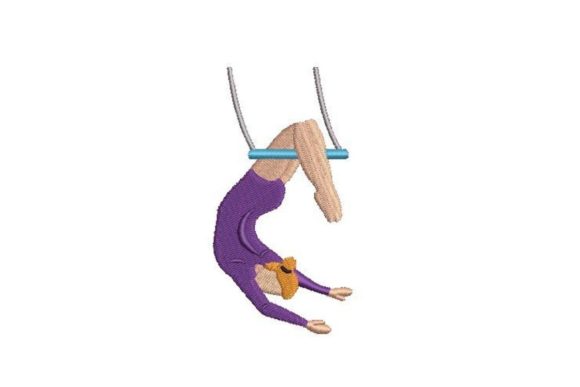
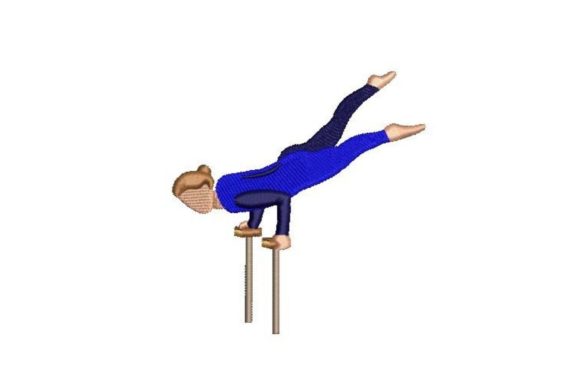
The title "Canes" combined with the description suggests a design that balances athletic precision with personal pride. In the context of small business merch, the visual personality is paramount. Does it feel premium enough for a boutique, or playful enough for a craft fair? Based on the prompt to support "this very hard sort of gymnastics," the design likely carries a tone of strength, discipline, and dedication. This makes it an excellent candidate for brands that want to project professionalism and resilience.
For a handmade brand or a creative studio, Canes offers a distinct identity. It is not merely decorative; it communicates a narrative of effort and mastery. Whether applied as a chest logo accent or a standalone patch, the design appears ready to elevate a standard work shirt into a branded uniform. The promise of "multiple embroidery file formats" indicates versatility, allowing designers to adapt the asset for various production needs without losing quality.
Real-World Applications for Small Businesses
Imagine a local coffee shop, a florist, or a pet brand wanting to create cohesive merchandise. How does Canes fit into this ecosystem? The design is versatile enough to serve multiple roles in a commercial setting. For a café owner, an embroidered patch featuring Canes could become a signature mark on staff aprons, instantly creating a sense of team unity and pride. Similarly, for a boutique selling custom apparel, this design could be the centerpiece of a limited-run collection.
Consider the potential for branded patches. An embroidered patch made from this design can be sewn onto denim jackets, leather bags, or even product packaging accents. It transforms generic items into exclusive goods. For Etsy sellers and craft business assets, offering Canes as a digital embroidery file allows customers to customize their own hats or tote bags, adding value to the purchase. The design works well as a sleeve detail on work shirts or as a subtle mark on tote bag designs, ensuring brand visibility without overwhelming the aesthetic.
In the realm of event merch, Canes serves as a powerful identifier. Whether for a gymnastics competition, a fitness challenge, or a community fundraiser, the design provides a professional look that elevates the perceived value of the finished product. It bridges the gap between functional sportswear and fashionable statement pieces.
Strategic Considerations and Limitations
While the potential is high, a responsible designer must evaluate where Canes should be used carefully. Not all surfaces are created equal. When considering small patch sizes, the level of detail in the design becomes a critical factor. If the design includes intricate outlines or tiny lettering, reducing it to a size suitable for a cap front or a wrist patch may result in a loss of clarity.
Curved surfaces, such as the front of a baseball cap, require careful testing. High stitch density can cause puckering on curved fabrics if the stabilizer is not chosen correctly. Additionally, dark uniforms present a challenge regarding thread colors. If the design relies on light threads against a dark background, the contrast might be insufficient unless a specific underlay strategy is employed. Textured fabrics, like heavy canvas or fleece, can also distort fine details, making the design appear muddy rather than crisp.
Frequent washing is another consideration for items like apron embroidery or work shirts. Designs with high stitch counts may be more prone to fraying over time if not digitized with durability in mind. Therefore, before mass-producing Canes for commercial embroidery projects, one must inspect the spacing and confirm that the hoop size accommodates the full design without cutting off essential elements.
Impact on Brand Identity and Customer Trust
Quality embroidery is a direct reflection of brand identity. A poorly executed design can undermine customer trust, while a well-executed one enhances recognition and professionalism. Using Canes effectively can signal to your audience that you care about the details of your handmade product. It shows that you have invested in high-quality assets that stand up to scrutiny.
When customers see a consistent and polished application of the design across your caps, tote bags, and packaging, it reinforces the message of reliability. This visual consistency is vital for buyer engagement. A strong brand identity built on quality materials and precise execution leads to higher perceived value, allowing you to command better prices for your custom apparel. The design acts as a silent ambassador for your business, communicating quality before a single word is spoken.
Practical Designer Notes for Production
Before moving to the final stage of production, there are several technical steps every decorator must take. First, test the design in black and white first. This helps visualize the balance of the stitches without the distraction of color. Next, check if it works at small patch size by running a sample at 50% scale to ensure legibility.
Review thread color contrast carefully. Ensure that the selected colors pop against the intended fabric texture. Inspect the spacing within the design to prevent crowding, which often happens when scaling down. Confirm the hoop size required to capture the entire design without distortion. Testing on real fabric is non-negotiable; digital mockups do not always translate perfectly to physical reality. Use proper stabilizer to support the fabric during stitching, preventing warping.
Create a printable mockup for client approval before starting large runs. This allows stakeholders to visualize the final product on different garments. Compare it beside other design assets to ensure it fits within your existing library and style guide. Finally, confirm commercial licensing before business use. Even though the product comes with multiple formats, verify that you have the legal right to sell merchandise featuring Canes.
If exact stitch counts, file formats, or license terms were not clearly included in the initial product description, advise readers to contact the creator or check the documentation thoroughly. Do not assume compatibility. Always prioritize quality control to ensure that the finished product meets the high standards expected by modern consumers.
By treating Canes not just as a graphic but as a strategic business tool, you can unlock its full potential. Whether you are decorating a cap, an apron, or a tote bag, the key lies in preparation and attention to detail. With the right approach, this design can become a cornerstone of your small business merch line, driving engagement and building a loyal customer base.