Cowboy Boot Embroidery Review for Boutique Sweatshirts
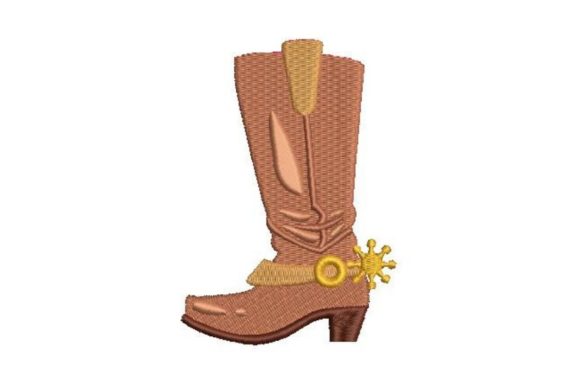
As an experienced embroidery designer, I spend my days evaluating thousands of digital assets before they ever touch a needle. Recently, I received the Cowboy Boot design to review for a special project: a limited-edition sweatshirt drop for a small boutique brand. The product description promises a classic cowboy boot embroidery design that is perfectly suitable to decorate countryside outfits, noting that it comes with multiple embroidery file formats. But does this machine embroidery design hold up under the scrutiny of a premium apparel collection? After running several test stitches and visualizing the final look on various fabrics, here is my honest assessment.
First Impressions: Mood and Aesthetic Potential
The moment I opened the Cowboy Boot file, the mood was immediately established. It feels rustic yet polished, striking a balance between playful and bold. For a boutique brand looking to capture that "countryside outfit" vibe without feeling costume-like, this design has serious potential. The layout appears clean, avoiding the cluttered look that often plagues Western-themed designs. It doesn't scream "theme park," but rather whispers "authentic lifestyle."
I envision this embroidery file looking stunning on neutral sweatshirts like oatmeal, heather gray, or soft beige. The contrast would be subtle enough to feel high-end while still providing the texture that defines quality handmade products. However, the real magic happens when you consider dark fabric. On a charcoal or midnight blue hoodie, the thread colors within the Cowboy Boot design would pop with a vintage, worn-in feel that appeals heavily to modern streetwear enthusiasts. For pastel collections, such as blush pink or sage green oversized hoodies, this design adds a necessary anchor of color, preventing the garment from looking too washed out.
Placement Strategies for Custom Apparel
When planning a drop for an Etsy seller or a small shop product, placement is everything. I see three distinct ways to utilize the Cowboy Boot design effectively:
- Chest Placement: This is the safest bet for mass appeal. A single, well-executed boot on the left chest of a crewneck sweatshirt creates a classic, understated look. It works beautifully for custom apparel branding where you want the logo to be visible but not overpowering.
- Sleeve Accents: For a more trendy, youthful aesthetic, placing the design on the upper sleeve of an oversized hoodie can elevate the piece. It turns a basic garment into a statement item, perfect for lifestyle product photography.
- Back Designs: If the design allows for scaling (which most digital embroidery files do), a larger version on the back could serve as the hero image for your marketing campaigns. This is ideal for creating a cohesive look across a seasonal collection.
For handmade product presentations, these placements allow for versatile printable mockup previews. You can showcase the same design on different garments to demonstrate versatility to your customers, increasing engagement and sales potential.
Technical Considerations for Commercial Use
Beyond aesthetics, a professional must evaluate the technical feasibility of the Cowboy Boot design for commercial production. One of my primary concerns with any embroidery design intended for sweatshirts is stitch density. Thick stitching on heavy fabric can sometimes cause puckering, especially if the stabilizer choice isn't adequate. While the specific stitch count isn't listed in the brief, the visual flow suggests a moderate density that should work well on standard fleece blends.
Fabric thickness is another critical factor. Sweatshirts vary widely in weight. For a commercial embroidery project, you will need to ensure the hoop size accommodates the curvature of the shoulder or chest area without distorting the fabric texture. Using a cut-away stabilizer is generally recommended for knit fabrics to maintain the shape of the finished product after washing. If the design features fine lines or small details, you must verify the hoop size required to keep those elements readable. Small-size readability is crucial; if the boot's spur or lacing gets lost in the weave of the fabric, the value of the item drops significantly.
Washing durability is non-negotiable for apparel decorators. A good design must withstand the rigors of machine washing without fraying or losing its definition. The description mentions suitability for countryside outfits, implying a rugged use case. Therefore, the thread tension and backing used during digitization must be robust. If the design feels too delicate, it may not survive the first wash cycle, leading to customer returns and damaged trust.
Impact on Brand Identity and Product Value
Choosing the right design assets directly influences buyer trust and brand identity. When a customer sees a crisp, well-placed Cowboy Boot on a sweatshirt, they perceive higher quality. It signals that the creator cares about the details. In the crowded marketplace of online shops, this level of attention to detail separates a hobbyist from a professional creative entrepreneur.
A strong, recognizable design enhances visual recognition. Imagine a customer scrolling through Instagram and seeing a consistent theme of western-inspired embroidery across your feed. The Cowboy Boot becomes a signature element of your boutique brand. It tells a story of adventure, comfort, and style. This narrative drives customer engagement and encourages repeat purchases. Furthermore, high-quality embroidery adds tangible value to the product, justifying a higher price point than screen-printed alternatives.
Final Thoughts for the Production Phase
The Cowboy Boot design is a versatile tool for anyone looking to expand their inventory with cozy, seasonal apparel. Whether you are decorating oversized hoodies for a winter launch or adding a touch of rustic charm to summer loungewear, this machine embroidery design delivers. It fits seamlessly into the aesthetic of a small clothing brand aiming for a premium yet accessible feel.
However, before moving to full-scale production, I strongly advise checking the specific technical specifications provided by the designer. Ensure you have the correct multiple embroidery file formats compatible with your machines. Verify the recommended stabilizer type and confirm the hoop size needed to achieve the best results. Do not skip the test run. Stitch a sample on the actual fabric you plan to sell to check for thread color contrast and overall balance.
If executed correctly, the Cowboy Boot can transform a simple sweatshirt into a standout piece that resonates with your audience. It offers the perfect blend of cute and bold, making it suitable for a wide range of customers from country lovers to fashion-forward trendsetters. By treating this embroidery file with the respect it deserves, you can create a collection that feels authentic, durable, and undeniably stylish.