Actor: The Perfect Star for Your Embroidery Booth
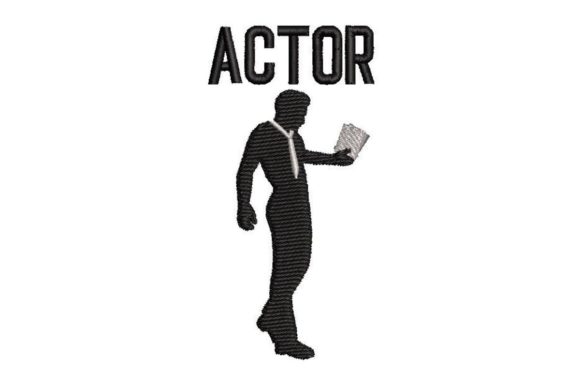
As an experienced embroidery designer who has spent countless weekends setting up booths at local craft fairs and handmade markets, I know that the difference between a design that sits on a shelf and one that sells out in minutes often comes down to character. When I first saw the Actor machine embroidery design, my mind immediately went to the stage of our own booth. This isn't just another generic floral or quote; it is a piece with personality that speaks directly to the love for act and drama. In this review, I am looking at how this specific design fits into a real-world production plan for craft fair sellers, boutique makers, and creative entrepreneurs.
The First Impression: Drama Meets Cuteness
The product description invites you to "go along with the love for act and drama," which sets a playful and theatrical tone right from the start. For a handmade shop owner, this is a goldmine. It feels modern yet slightly nostalgic, perfect for customers who appreciate a touch of whimsy. Unlike some designs that are too dense or abstract, Actor promises to be cute, making it approachable for a wide range of buyers. Whether your brand leans towards farmhouse chic, urban cool, or eclectic vintage, this design offers a versatile focal point that can elevate simple items into conversation starters.
When visualizing this as a finished product, I imagine a bold statement that doesn't overwhelm the eye. It strikes a balance between decorative and minimal, ensuring that the text or imagery remains legible even from across a crowded aisle. This clarity is crucial for attracting passersby who might only have a few seconds to notice your work before moving to the next vendor.
Where Actor Shines on the Table
Imagine walking up to a well-curated display at a weekend market. You see rows of tote bags, aprons, and tea towels. Where does Actor stand out? Based on my experience with similar digital embroidery files, this design is incredibly adaptable. It works beautifully as a small accent on a cap or a pouch, but it also commands attention when used as a large focal design on an apron or a pillow cover.
- Tote Bag Design: A canvas tote featuring Actor is an instant hit. The durability of the bag matches the longevity of the embroidery, making it a practical gift for theater lovers or aspiring performers.
- Apron Embroidery: For the home cook who loves a bit of flair, an apron with this design adds a layer of fun to the kitchen. It transforms a utilitarian item into a stylish accessory.
- Tea Towel Embroidery: Linen or cotton tea towels provide a smooth surface that allows the stitch density to shine. These are high-margin items that sell quickly as housewarming gifts.
- Embroidered Patch: If you offer patches, this design is perfect for ironing onto denim jackets or beanies, appealing to the DIY crowd.
- Fabric Pouches and Market Bags: Small zippered pouches featuring Actor make excellent low-cost add-ons at checkout counters, boosting your average order value.
Photography and Online Listings
In today's market, many sales happen online via Etsy listings or social media before the customer ever visits a physical booth. How does Actor photograph? Designs with clear, distinct shapes tend to translate better to digital images than those with overly fine details that get lost on a screen. Because this design is described as cute and focused on drama, it likely features strong lines that will look crisp in a printable mockup.
For the Etsy seller, this means you can create compelling visuals that highlight the texture of the thread against the fabric. When creating your listing, ensure you show the design on different backgrounds to demonstrate its versatility. A dark background might make bright threads pop, while a rustic wooden table could emphasize a farmhouse aesthetic. The key is to capture the "finished product" feel so buyers can visualize owning the item.
Production Realities and Practical Selling
As a professional reviewing this for batch production, I need to consider the logistics. Is Actor easy to understand at a glance? Yes, simplicity drives sales because customers can instantly recognize the theme. However, before committing to a large run, there are critical technical steps every commercial embroidery business must take.
You must test the design on scrap fabric first. Check the thread colors to ensure they contrast well with your target fabric textures. Dense stitch areas can sometimes cause puckering if not stabilized correctly, especially on lightweight fabrics like linen tea towels. Always confirm the hoop size required to fit the design without cutting off any elements. If the design includes tiny details or small lettering, be cautious about scaling it down too much for small products like caps or patches, as these areas may lose clarity.
Additionally, consider the fabric texture. Thick terry cloth or heavily textured towels can hide the definition of the stitches. For curved surfaces like caps, ensure the design is digitized to accommodate the curvature, or use a specialized cap frame. If you are selling digital embroidery files rather than finished goods, make sure to include multiple file formats to support various machines, as mentioned in the product notes.
Maximizing Visual Appeal and Brand Consistency
At a craft fair, your booth needs to tell a story. Using Actor allows you to build a cohesive collection around themes of performance, creativity, and expression. This consistency strengthens your brand identity and helps buyers remember you. When customers see a matching set of an apron, a towel, and a tote bag all featuring the same charming design, they are more likely to buy multiple items.
The design also enhances perceived value. High-quality embroidery signals craftsmanship, allowing you to price your handmade products higher than mass-produced alternatives. By carefully selecting thread colors and stabilizers, you ensure that the final product looks premium, encouraging repeat business and positive reviews.
Essential Designer Notes for Success
To truly succeed with this machine embroidery design, follow these practical guidelines:
- Create Real Mockups: Don't rely solely on digital previews. Stitch at least one sample on your actual product materials to check the final look.
- Inspect Stitch Density: Ensure the density is appropriate for the fabric weight. Too much density can make stiff material, while too little can look sparse.
- Review Spacing: Check that the design placement leaves enough margin from the edges of the garment or item.
- Confirm Commercial Licensing: Before selling finished products, verify the license terms associated with the digital file to ensure you are allowed to produce for resale.
- Use the Right Stabilizer: Match your stabilizer to the fabric type to prevent shifting and distortion during the stitching process.
By treating Actor with the care it deserves, you can turn a simple digital asset into a standout craft fair product. Whether you are a small shop product creator or a seasoned digital seller, this design offers a unique opportunity to connect with customers who love the arts. With the right execution, it will become a staple in your collection of dance-themed or drama-inspired embroidery projects.