Desert: A Seasonal Embroidery Design Review
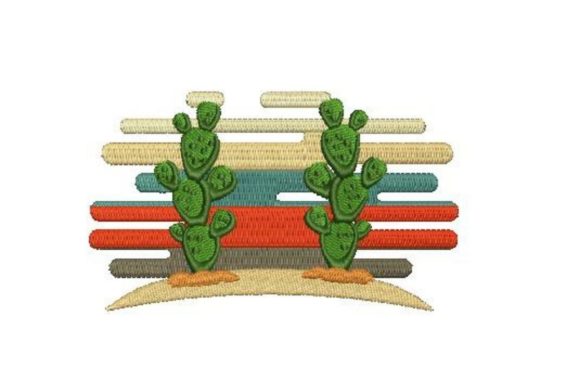
As an experienced embroidery designer constantly scanning the horizon for seasonal inspiration, I recently encountered a digital asset titled Desert. At first glance, it presents a striking visual narrative: two cactuses standing as symbols of supreme heat, creating a perfect desert scene. While my initial instinct might lean toward cool winter themes or cozy autumn palettes, this design offers a unique opportunity to diversify a holiday collection with warmth and rustic charm. For Etsy sellers, small business owners, and crafters looking to create meaningful handmade gifts, evaluating how Desert fits into a broader product strategy is essential.
The Emotional Tone of a Desert Scene
When reviewing a machine embroidery design for holiday use, the emotional resonance is paramount. The Desert file evokes feelings of resilience, endurance, and natural beauty. It carries a rustic, modern aesthetic that can feel both playful and elegant depending on the execution. Unlike traditional snowflake motifs, this design brings a sense of calm and grounded energy. It suggests a connection to nature and simplicity, which resonates deeply with customers seeking authentic, personalized gifts during the busy holiday season.
This design is not just about the imagery; it is about the story it tells. In a market saturated with generic patterns, a well-executed desert scene stands out as a statement piece. It works beautifully for those who appreciate botanical art, southwestern vibes, or minimalist decor. The two cactuses create a balanced composition that feels intentional and refined, making it suitable for everything from high-end home decor to casual apparel. When planning a limited-time product drop, adding Desert allows you to tap into a niche audience that values unique, nature-inspired aesthetics.
Integrating Desert into Holiday Collections
For the practical-minded entrepreneur, the versatility of Desert is its greatest asset. Imagine building a cohesive shop collection where this design anchors a "Warmth in Winter" theme. You could pair it with earthy tones and golden threads to create a festive yet organic look. Here is how this embroidery file performs across various popular categories:
- Sweatshirt Embroidery: Placing Desert on the chest or back of a heavyweight sweatshirt creates a durable, stylish garment. It appeals to those who want a cozy but distinctive holiday outfit. The design's clean lines work well on cotton blends, offering a premium finish.
- Tote Bag Design: A canvas tote featuring these two cactuses makes a perfect gift bundle item. It is sturdy, reusable, and visually appealing, serving as a functional accessory that doubles as a promotional tool for your brand.
- Kitchen Towel Embroidery: This category often sees high demand during the holidays. A Desert motif on a linen or cotton kitchen towel adds a touch of rustic elegance to any home. It pairs wonderfully with matching aprons, creating a complete set for the home cook.
- Pillow Cover: Adding texture to a living room during the holidays is easy with a pillow cover featuring this design. The contrast between the fabric texture and the stitched details can make the piece pop, inviting customers to bring a bit of the outdoors inside.
- Baby Items: Soft baby onesies or blankets embroidered with Desert offer a gentle, gender-neutral option for new parents. The cactus symbolizes growth and strength, making it a thoughtful choice for a baby shower gift.
- Embroidered Patch: Creating detachable patches allows customers to customize their own jackets or bags. This adds an interactive element to your product line, encouraging engagement and repeat purchases.
Navigating Technical Challenges and Limitations
While the potential for Desert is high, a professional review must address where the design requires careful handling. Not every application is suitable for every product type. Understanding the limitations of the embroidery file ensures customer satisfaction and minimizes returns.
First, consider the hoop size. If the design includes intricate details or layered elements, attempting to stitch it on a small hoop may result in lost definition. Always verify the digitizing specifications before placing the design on small items like baby socks or tiny ornaments. Similarly, check the stitch density. High-density designs can cause puckering on thin fabrics or stretchy garments like certain jersey knits. If you plan to use this on a stretchy material, a stabilizer is non-negotiable to maintain the integrity of the stitches.
Fabric texture plays a crucial role as well. Thick towels or heavy denim may require longer run times and specific needle types to ensure the thread penetrates cleanly without breaking. Conversely, on very fine fabrics, the weight of the thread might overwhelm the material. Dark fabrics present another challenge; unless you are using metallic thread or a specific underlay technique, light-colored threads may get lost against dark backgrounds. Test thread colors on both light and dark fabric samples before mass production to ensure visibility and contrast.
Curved caps and items requiring repeated washing also need special attention. The curvature of a cap can distort straight lines, so the design may need re-digitizing for optimal results. For products that will be washed frequently, such as aprons or table linens, ensure the design uses secure stitch types to prevent unraveling over time.
Marketing and Visual Recognition
In the competitive world of online sales, visual recognition is key. A well-crafted Desert design can become a signature element of your brand identity. When creating printable mockups for social media previews, focus on how the design interacts with different lighting conditions. Does it look crisp on a white background? Does it stand out on a rustic wooden surface? These details influence buyer emotion and perceived value.
For Etsy listings and craft fair displays, emphasize the uniqueness of the Desert motif. Highlight how it differs from standard holiday icons. Use terms like seasonal embroidery and handmade gift to connect with shoppers looking for something special. Showcasing the design on finished products like pillow covers or tote bags helps customers visualize the final result, building trust and confidence in your craftsmanship.
Additionally, consider how Desert fits into gift bundles. Pairing it with complementary items—such as a matching kitchen towel and apron—increases the average order value and provides a complete solution for the buyer. This approach reinforces brand consistency and encourages customers to view your shop as a one-stop destination for quality embroidery goods.
Essential Designer Notes for Success
Before adding Desert to your commercial inventory, there are critical steps to take. First, confirm the commercial licensing terms. Ensure you have the right to sell finished products made with this digital embroidery file. Next, test the file thoroughly. Check the stitch count and format compatibility with your specific machine. While the description mentions multiple formats, you must verify which ones suit your workflow best.
Create realistic mockups that accurately represent the stitch density and thread colors. Avoid over-editing images, as customers expect the physical product to match the digital preview. Plan your color palettes carefully; earthy greens, sandy beiges, and warm terracottas will enhance the desert theme. Finally, always review the small details after stitching. Look for loose threads, misalignments, or areas where the stabilizer might have left residue. Quality control is the hallmark of a successful small shop product.
By approaching Desert with a strategic mindset, you can transform a simple cactus design into a cornerstone of your holiday collection. Whether used on sweatshirts, home decor, or personalized gifts, this design has the power to captivate buyers and elevate your brand presence in the crowded marketplace of seasonal embroidery.