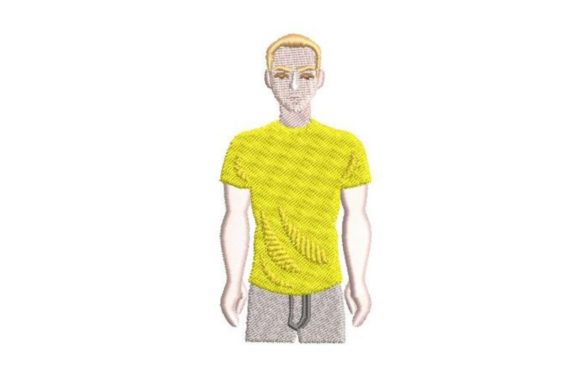
Person Wearing a Yellow T-shirt: A Designer's Review for Craft Fairs
As an experienced embroidery designer who has spent countless weekends setting up booths at local craft fairs and managing online handmade shops, I know that the difference between a design that sits on a shelf and one that flies off the table often comes down to visual impact and production practicality. Today, I am reviewing a specific digital asset titled Person Wearing a Yellow T-shirt. This design promises to be simple, easy to embroider, and versatile enough to stitch perfectly onto any kind of fabric. But does it truly deliver the goods for a busy market environment? After mentally mapping out a display featuring tote bags, aprons, tea towels, patches, caps, small pouches, pillow covers, and various giftable handmade items, here is my professional judgment on how this machine embroidery design performs in the real world.
First Impressions: Bold, Playful, and Market-Ready
The title Person Wearing a Yellow T-shirt immediately suggests a graphic, modern aesthetic rather than something rustic or overly ornate. In the context of a craft fair, simplicity is often your greatest ally. When customers walk past a booth, they are scanning dozens of items. A design that features a person in a bright yellow shirt offers a high-contrast focal point that catches the eye instantly. It feels fun, approachable, and slightly whimsical without being confusing.
This design leans into the "modern minimal" category while retaining a human element that resonates with buyers looking for personality in their accessories. The description emphasizes that it is very easy to embroider, which is a crucial selling point for boutique makers and Etsy sellers who need to maintain high turnover rates. Unlike intricate floral patterns that require hours of setup and monitoring, a design like Person Wearing a Yellow T-shirt allows you to produce finished products quickly, ensuring your booth remains stocked with inventory throughout the day.
Product Versatility: Where This Design Shines
One of the most critical factors for any embroidery file intended for commercial use is its adaptability across different product types. Based on the description stating it stitches perfectly to any kind of fabric, I see immense potential for this design in several key categories:
- Tote Bag Design: A tote bag is a staple at any craft fair. Placing the Person Wearing a Yellow T-shirt motif on a canvas tote creates an instant conversation starter. The bright yellow pops against neutral canvas, making the item feel premium and cheerful.
- Apron Embroidery: For kitchen-focused vendors, this design works beautifully on cotton aprons. It adds a touch of humor and style to a functional item, appealing to home cooks who want their gear to look as good as it functions.
- Tea Towel Embroidery: Similar to aprons, kitchen towels benefit from bold, simple graphics. The design serves as a perfect accent piece that doesn't overwhelm the texture of the towel.
- Embroidered Patch: If you offer iron-on patches, this design is ideal. The clear lines of a figure in a t-shirt translate well to patch format, allowing customers to add character to denim jackets or beanies.
- Caps and Fabric Pouches: For smaller items, the design can be scaled effectively. On a cap, it acts as a cool, understated logo. On a small pouch, it becomes a charming detail that elevates the perceived value of the small shop product.
- Pillow Covers and Market Bags: These larger surface areas allow the design to breathe. A large-scale version of the figure on a throw pillow makes for a stunning gift item that stands out in a display stack.
Production Practicality and Batch Selling
When running a business, efficiency is key. The review notes that this is a simple design, which directly translates to faster hoop times and less thread consumption. For a weekend vendor, this means you can produce more units in less time. The design appears to function well as both a small accent or a large focal design, giving you flexibility in your pricing strategy. You can sell single patches at a lower price point and larger items like aprons at a premium.
Photographing this design for online listings will also be straightforward. The contrast between the figure and the yellow shirt should photograph clearly, even in natural light, which is essential for Etsy seller success. Furthermore, because the design is clean and not overly dense, it is highly repeatable for batch production. You can set up a series of identical items on your frame, knowing that the machine will run smoothly without frequent stoppages to trim threads or fix errors.
Visual Appeal and Customer Engagement
In a crowded marketplace, visual appeal dictates attention. The Person Wearing a Yellow T-shirt design leverages color psychology; yellow is associated with happiness, energy, and warmth. Customers are naturally drawn to these colors. By incorporating this design into your booth display, you create a cohesive brand identity that feels consistent and professional. Whether you are displaying commercial embroidery products or unique handmade gifts, this design unifies your collection under a playful, modern theme.
However, to ensure the design maintains its quality, you must pay attention to the stitch density. While the description claims it stitches perfectly, real-world results depend on your execution. Dense stitch areas can sometimes cause puckering if not managed correctly, especially on thinner fabrics. Conversely, if the design is too sparse, it might lack the structural integrity needed for a durable finished product. Always inspect the stitch density before committing to a full production run.
Crucial Designer Notes for Success
Before you rush to print mockups or list this item on your store, there are several technical considerations every creative entrepreneur must address. First, test the design on scrap fabric that matches your final product material. This step is non-negotiable for checking thread contrast and ensuring the hoop size accommodates the design dimensions without cutting off edges.
You must also evaluate the fabric texture. While the design may work on smooth cotton, textured towels or thick denim might hide the details. If the design includes tiny details or small lettering (which we cannot confirm from the title alone), be cautious when scaling it down for small items like caps or patches. Designs that lose clarity at smaller sizes can result in customer returns and negative reviews.
Stabilizer selection is another vital component. Using the wrong stabilizer can lead to shifting or distortion, ruining the clean lines of the figure. Ensure you use the appropriate stabilizer for the weight of your fabric. Additionally, create at least one real mockup to compare against your printable mockup files. Digital representations often exaggerate the brightness of colors like yellow, so seeing the physical thread colors in person is essential for accurate representation.
Finally, confirm your commercial licensing terms. Just because you have the digital embroidery file does not automatically grant you the right to sell unlimited finished products. Check the license agreement to ensure you are compliant with all terms regarding design assets and resale rights.
Final Verdict
The Person Wearing a Yellow T-shirt design holds significant promise for craft fair sellers and handmade market enthusiasts. Its simplicity, combined with a bold color palette, makes it a versatile choice for a wide range of products from tote bags to pillow covers. By following strict production protocols—testing on scraps, verifying stitch density, and choosing the right stabilizer—you can transform this simple design into a standout product line that drives sales and builds brand loyalty. For those looking to expand their catalog with items that are easy to produce yet visually striking, this design is a strong addition to your repertoire.