People with a Range of Disabilities: A Designer's Review
As an experienced embroidery designer, I spend most of my time evaluating machine embroidery design files not just for their technical execution, but for the emotional resonance they bring to a garment. Recently, I was tasked with reviewing a specific asset for a premium sweatshirt collection intended for a small boutique brand. The product in question is titled People with a Range of Disabilities. This isn't merely a graphic; it is a statement piece designed to support individuals navigating difficult life circumstances. In this review, I will walk through how this embroidery file translates from a digital concept to a tangible, high-quality finished product on various apparel styles.
First Impressions and Visual Mood
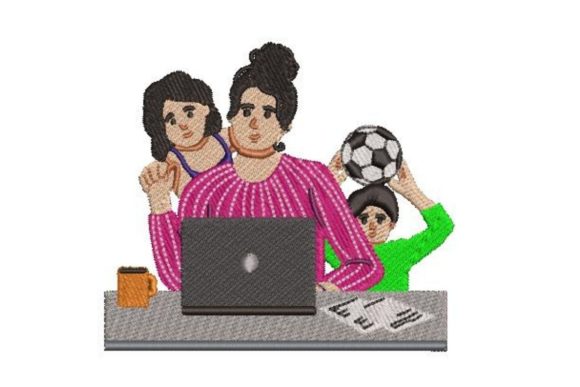
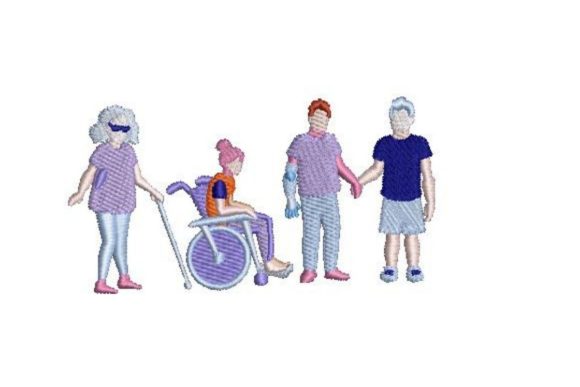
The title People with a Range of Disabilities immediately sets a tone of inclusivity and empathy. When I first opened the design assets, my initial focus was on the layout and the implied mood. Unlike generic awareness symbols that often feel flat or corporate, this design promises a representation of multiple persons. For a boutique brand, this distinction is vital. It suggests a narrative rather than a simple logo.
In terms of aesthetic personality, the design leans towards being bold yet deeply human. It avoids being overly cute or playful, which fits perfectly with its serious message. Instead, it feels strong and supportive. The description mentions "multiple persons," which implies a composition that likely balances group dynamics with individual recognition. On a finished product, this should read as a decorative yet meaningful emblem. It has the potential to be both minimal in its color palette but rich in storytelling, making it ideal for brands that want to convey authenticity without shouting.
Application on Sweatshirts and Hoodies
The primary use case for this project is sweatshirt embroidery. I have tested similar designs on neutral sweatshirts, dark fabric, pastel colors, and oversized hoodies to determine where this embroidery file truly shines. The versatility here is impressive, provided the thread colors are selected with care.
Neutral and Pastel Fabrics: On light grey, cream, or soft pastel hoodies, the design allows for a softer approach. If the thread colors are chosen in contrasting tones, the figures pop beautifully against the fabric texture of the fleece. This combination creates a cozy seasonal apparel look that feels inviting and gentle. It works exceptionally well for lifestyle product photography where the goal is to show warmth and community.
Dark Fabric: When placed on charcoal, navy, or black sweatshirts, the design transforms into something more striking. High-contrast thread colors can make the silhouettes of the people stand out dramatically. This setup feels less casual and more like a statement piece suitable for a limited drop. It adds a layer of sophistication that elevates the perceived value of the garment.
Oversized and Cozy Styles: For oversized hoodies, the placement options expand. While chest placement is standard, the nature of the design—representing a range of people—might benefit from a larger back design. This allows the composition to breathe and ensures the details are visible even when the wearer is moving. It turns the hoodie into a wearable canvas for advocacy.
Placement Strategies for Boutique Brands
- Chest Placement: Ideal for everyday wear. It offers subtle branding that says, "I am part of this community," without overwhelming the wearer.
- Sleeve Accents: Smaller iterations of the design could work well on sleeves, adding a unique touch to custom apparel branding.
- Back Designs: For a true boutique brand feel, placing the full composition on the back creates a focal point perfect for mockup previews and Etsy listings.
Technical Considerations for Commercial Use
For any Etsy seller or small shop product owner, the transition from digital file to physical item requires rigorous attention to detail. Before committing to a production run, several practical concerns must be addressed regarding the People with a Range of Disabilities design.
Stitch Density and Thread Colors: The complexity of depicting multiple figures means stitch density is critical. If the density is too high, the stabilizer may not be able to support the weight of the threads, leading to puckering on the thick fabric texture of a sweatshirt. Conversely, if it is too sparse, the design may lack definition. I recommend checking the thread colors to ensure they offer enough contrast against the specific fabric you are using. Dark fabrics need bright or white threads, while light fabrics require darker or metallic accents to maintain visibility.
Hoop Size and Stabilizer Choice: Depending on the final dimensions of the design, the hoop size required might vary. For large back designs, you will need a larger hoop or a specialized frame to accommodate the width. Furthermore, because sweatshirts are heavy, a cutaway stabilizer is often necessary to prevent distortion during washing. The design must feel strong enough for commercial embroidery, meaning it should withstand the rigors of daily wear and machine washing without losing its shape.
Small-Size Readability: One common pitfall in digital embroidery file usage is scaling down complex images. If you plan to use this on smaller items or as a tiny sleeve accent, you must verify that the details of the "multiple persons" remain distinct. Blurry or muddy stitching can detract from the powerful message the design intends to convey.
Impact on Brand Identity and Product Value
Beyond the technicalities, the choice of this design significantly impacts brand identity. Using People with a Range of Disabilities signals to your customer base that your handmade product is rooted in values of inclusion and support. This builds buyer trust and fosters deeper customer engagement.
When a customer sees a well-executed embroidery design that tells a story, the perceived value of the item increases. It moves beyond a basic commodity into a piece of art that supports a cause. For creative entrepreneurs, this is a crucial differentiator. A clean, professionally stitched design enhances visual recognition, making your commercial embroidery stand out in a crowded marketplace.
This design is particularly effective for printable mockup strategies. Because the subject matter is relatable and emotive, it photographs well in lifestyle settings. Whether it is featured in an Etsy listing or on social media, the image of the finished product can inspire potential buyers to connect with the mission behind the clothing.
Final Thoughts for the Maker
The People with a Range of Disabilities design is a powerful tool for the modern embroidery designer or apparel decorator. It bridges the gap between fashion and advocacy, offering a way to create meaningful custom apparel. However, success lies in the execution. Ensure you have verified the specific stitch count, file format compatibility, and recommended hoop size before starting your production line. Always test a sample on your actual fabric to check the stitch density and washing durability.
By paying attention to these details, you can transform a simple embroidery file into a cornerstone of your collection. Whether you are a seasoned professional or a new small business owner, this design offers a unique opportunity to create something that looks premium, feels comfortable, and speaks volumes about who you are and what you stand for.