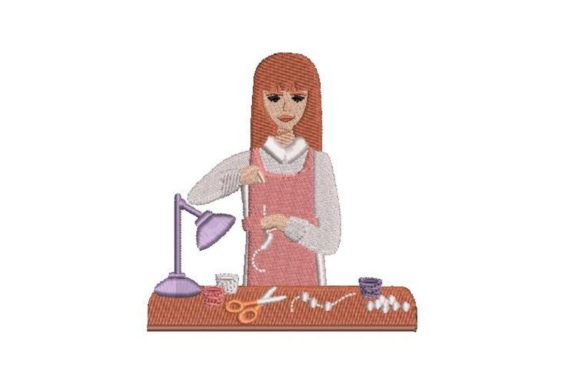
Jewelry Maker Embroidery Design Review
As an experienced embroidery designer who has spent countless weekends at craft fairs and handmade markets, I know that the difference between a design that sits on a shelf and one that sells out in minutes often comes down to visual impact and practical application. Today, I am reviewing the Jewelry Maker machine embroidery design with a critical eye, imagining it as the centerpiece of my booth display for the upcoming season. The description promises a way to show love for jewels and fashion, perfect for t-shirts or accessories, but does it truly deliver the "wow" factor needed for a busy market environment?
First Impressions and Market Appeal
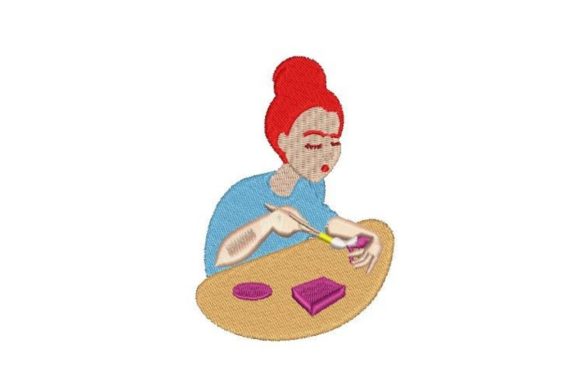
When I first look at the concept behind Jewelry Maker, the immediate feeling is one of targeted elegance mixed with playful creativity. For a craft fair product, this design hits the sweet spot of being both decorative and personal. It speaks directly to a specific niche: women who love fashion, sparkle, and the art of accessorizing. Unlike generic floral patterns that might blend into the background of a crowded table, a design focused on jewelry making feels like a conversation starter.
The vibe is modern yet approachable. It suggests a boutique aesthetic that fits perfectly with handmade shop owners and Etsy sellers looking to elevate their brand consistency. Whether the final execution leans toward a soft, minimal look or a bold, premium finish, the subject matter itself commands attention. Customers walking by a booth filled with aprons and tote bags will likely pause when they see something that celebrates the craft of creating beauty. This design has the potential to be a strong focal point that draws buyers in before they even touch the merchandise.
Product Versatility and Display Potential
In a real-world scenario, setting up a table requires strategic thinking about where each item will sit and how it will photograph for online listings. The Jewelry Maker design proves incredibly versatile across various handmade product categories. Imagine a row of high-quality canvas tote bags featuring this design prominently; these are classic tote bag design staples that appeal to anyone carrying their own accessories. The design could also shine on linen tea towels, transforming kitchen linens into unique gifts for fashion enthusiasts.
I can easily visualize this embroidery file adapted for embroidered patches sewn onto denim jackets or caps, adding a trendy accent to streetwear. For those selling smaller items, small fabric pouches or coin purses embroidered with Jewelry Maker make excellent impulse buys at checkout counters. Pillow covers offer another avenue, turning a simple home decor item into a statement piece that reflects the owner's personality.
For digital sellers, this design is a goldmine. Creating a printable mockup that shows the design on a variety of products helps Etsy sellers visualize the final result without shipping physical samples. Whether used for commercial embroidery projects or as a small shop product, the adaptability of the design allows creators to maximize their inventory without needing to stitch entirely new patterns for every SKU.
Photography and Visual Engagement
One of the most critical aspects of selling at a craft fair or online is how the item photographs. A successful design must translate well from the hoop to the camera lens. Jewelry Maker appears to have enough visual interest to stand out in a flat lay photo or on a model wearing an apron. If the thread colors are chosen correctly, the shimmer of the "jewels" within the design will catch the light, mimicking the actual sparkle of the accessories the design represents. This creates a meta-appeal that customers find irresistible. When designing a booth display, placing these finished products under good lighting will ensure that the texture of the stitches and the contrast of the threads pop, increasing the perceived value of the item.
Production Practicality and Selling Points
From a production standpoint, efficiency is key for any creative entrepreneur running a booth. Is Jewelry Maker easy to understand at a glance? Yes, provided the details are executed cleanly. It works beautifully as a medium-sized accent design, perhaps placed on the chest of a shirt or centered on a pocket, rather than requiring a massive hoop coverage. This makes it repeatable for batch production, allowing you to churn out matching sets of aprons and bags efficiently.
However, not all designs are created equal when it comes to density and detail. Before committing to a full run, I always advise testing the design on scrap fabric. Dense stitch areas can sometimes cause puckering if the wrong stabilizer is used, while tiny details might get lost on textured towels or thick denim. If the design includes small lettering or intricate bead-like elements, ensure that the thread count supports the resolution required. On curved surfaces like caps, the design may need to be resized slightly to maintain clarity, so checking the recommended hoop size is essential.
Crucial Considerations for Quality Control
To ensure your finished product looks professional, there are several technical steps you must take. First, check the thread contrast carefully. Dark fabrics require bright, high-contrast threads to make the design visible, while light fabrics might need a darker outline to define the shapes. Always inspect the stitch density; if the design is too dense for a delicate fabric, it may become stiff and uncomfortable. Conversely, if it is too sparse on a heavy material, it might look unfinished.
Using the right stabilizer is non-negotiable. For items like aprons or tote bags, cut-away stabilizer provides the necessary support to keep the Jewelry Maker design stable during wear and washing. For textured materials like waffle-kitchen towels, you may need additional backing to prevent the fabric from pulling through the stitches. Creating at least one real mockup before listing the item is the best way to confirm that the spacing and alignment work as intended.
Final Verdict for Craft Entrepreneurs
The Jewelry Maker design holds significant promise for boosting booth display strength and buyer engagement. It taps into a passion-driven market, appealing to those who appreciate the artistry of fashion and accessories. By carefully selecting fabric textures and ensuring proper stabilization, you can transform this digital asset into a tangible, high-value item that stands out in a sea of generic crafts.
Remember to review the specific license terms included with the digital embroidery file to confirm you are allowed to sell finished goods commercially. With the right preparation, this design can become a signature element of your brand, helping you connect with customers who are looking for something special, stylish, and handmade. Whether you are a seasoned veteran or just starting your journey as a commercial embroidery artist, Jewelry Maker offers a solid foundation for creating memorable pieces that people actually want to buy.