Farmer s Black and White Chicken: A Designer s Real-World Review
When I first pulled up the preview for Farmer s Black and White Chicken, my immediate thought wasn't about the stitch count or the file format. It was about the vibe. There is a specific kind of charm that only a rustic, country-themed design can bring to a handmade product, and this piece hits that mark perfectly. As someone who has spent years evaluating digital assets for both personal hobby projects and commercial small business lines, I am always looking for designs that offer versatility without sacrificing character. This machine embroidery design feels like it belongs in a farmhouse kitchen, on a boutique tote bag, or perhaps as the centerpiece of a custom baby gift.
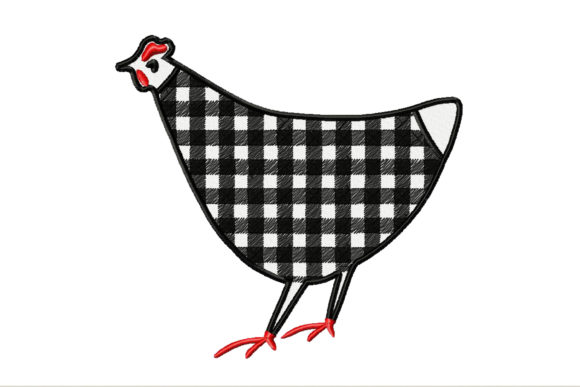
The visual personality of Farmer s Black and White Chicken is distinct. The high contrast of the black and white palette is not just an aesthetic choice; it is a functional one. In the world of embroidery, color management is everything. When you are working with thread colors, a monochromatic subject allows for incredible flexibility. You can stitch this using traditional blacks and whites, but you could also easily adapt it to earthy tones like sage green and cream, or even bold primary colors for a more modern twist. The layout appears balanced, avoiding the cluttered look that often plagues farm-themed designs. It feels clean, intentional, and ready to be transferred onto fabric.
From Digital File to Finished Product: A Practical Scenario
To truly understand how this design performs, we need to move past the screen and imagine a real-life application. Let's say I am preparing for an upcoming craft fair or launching a new collection on Etsy. I want to create a line of kitchen accessories that speaks to the "farm-to-table" movement. I decide to use Farmer s Black and White Chicken on a set of linen tea towels and a few heavy-duty canvas aprons.
Imagine the finished product. On the crisp white of the tea towel, the black stitching would pop with sharp definition, creating a focal point that draws the eye immediately. It looks professional enough for a high-end boutique yet approachable enough for a holiday gift. Now, picture that same design embroidered on a dark navy denim apron. Here, the white fill stitches would stand out beautifully against the deep background, giving the garment a rugged, workwear aesthetic. This duality is where the true value of Farmer s Black and White Chicken lies. It is not limited to one specific colorway or fabric type, making it a smart investment for any crafter looking to maximize their inventory potential.
I also considered using this design on a sweatshirt for a winter holiday gift. The chunky texture of a fleece hoodie pairs wonderfully with the rustic theme. The chicken motif adds a touch of whimsy that breaks up the seriousness of cold-weather gear. If I were selling these as personalized gifts, I could easily add a name or a date below the image, knowing that the clean lines of the chicken would not get lost in the lettering. It creates a cohesive brand identity that says "handmade with care" before the customer even reads the tag.
Navigating Fabric Challenges and Hoop Limitations
While the design is promising, no embroidery project is without its challenges. As an experienced reviewer, I have to point out where Farmer s Black and White Chicken might require extra caution. One of the most critical factors in successful stitching is the stabilizer. For a design like this, which likely contains a mix of satin stitches for outlines and fill stitches for the body, proper support is non-negotiable. If you are embroidering on stretchy fabrics like jersey t-shirts or thin cottons, you will need a cut-away stabilizer to prevent puckering. Without it, the tension of the threads could distort the shape of the chicken, ruining the visual appeal.
Another area to watch is the hoop size. If the design includes intricate details or tiny lettering, it may struggle in a smaller hoop, such as a 4x4 inch frame. Small hoops often force the machine to compress the design, which can lead to a loss of detail in the finer areas. Before committing to a final production run, I strongly advise testing the design on scrap fabric within your intended hoop size. This step ensures that the stitch density is appropriate and that the needle does not crowd itself into the edges of the hoop.
Texture is also a key consideration. While this design shines on smooth surfaces like linen or cotton twill, it might lose some definition on heavily textured fabrics like bouclé or thick wool. The uneven surface can cause the thread to sit differently than expected, potentially obscuring the black and white contrast that makes the design so striking. Similarly, if you plan to use this on a curved surface like a baseball cap, you will need a cap hoop and careful positioning to ensure the chicken sits flat and doesn't bunch up at the seams.
Maximizing Value for Your Craft Business
For those of you running a craft business or selling on platforms like Etsy, the presentation of your finished product is just as important as the stitching itself. Farmer s Black and White Chicken offers a level of professionalism that helps build trust with buyers. When a customer sees a well-executed design with clean edges and consistent tension, they assume the rest of the quality matches. This design is versatile enough to be used in various contexts, from nursery decor to wedding favors, allowing you to pivot your product line based on seasonal trends.
However, before you start mass-producing items, there are a few practical steps every designer should take. First, check the thread color contrast. Even though the design is black and white, the shade of the thread matters. A pure black thread can sometimes appear too harsh against certain backgrounds, while a charcoal grey might offer a softer, more vintage feel. Experiment with different shades to see what complements your specific fabric choices best.
Additionally, review the stitch density. High-density areas can make the fabric stiff, which might be undesirable for soft items like baby clothes or pillow covers. If the design feels too heavy, consider adjusting the settings or choosing a lighter weight fabric. Always inspect the small details closely after stitching. Sometimes, what looks perfect on a computer screen can reveal minor gaps or overlaps once stitched. Catching these issues early saves time and materials.
If you are planning to sell finished products or digital mockups, confirm the licensing terms associated with the file. Some designers allow commercial use with attribution, while others restrict it entirely. Understanding these rules protects your business from legal issues down the road. Finally, test the design in both light and dark fabric mockups to ensure it translates well across your entire product range.
In conclusion, Farmer s Black and White Chicken is a solid addition to any embroidery library. Its rustic charm and high-contrast style make it ideal for country-themed gifts, apparel, and home decor. By paying attention to fabric selection, stabilization, and testing, you can transform this digital file into a stunning finished product that resonates with customers. Whether you are a seasoned pro or a hobbyist just starting out, this design offers the flexibility and visual impact needed to elevate your creative projects.