Butterfly with Moon Phases: A Designer's Honest Review
As an embroidery designer who spends countless hours testing designs for both personal projects and commercial orders, I know that the difference between a good product listing and a successful finished item often lies in the details. When I first encountered the Butterfly with Moon Phases design on Creative Fabrica, my initial reaction was one of curiosity. The concept of combining a delicate insect with celestial cycles is visually striking, but does it translate well into a physical machine embroidery file? After running several test stitches and considering its potential for real-world applications, here is my honest evaluation.
First Impressions and Visual Mood
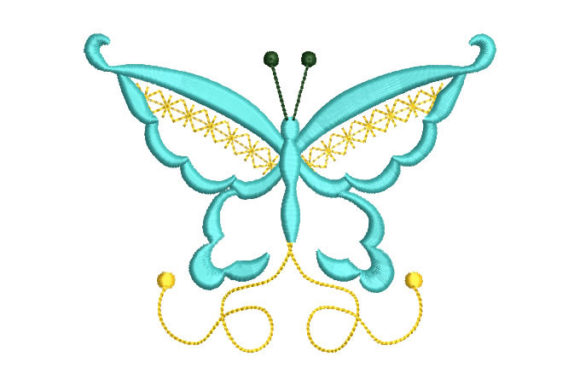
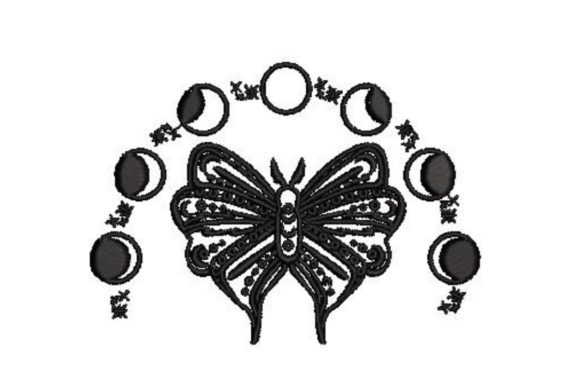
The moment you open the files for Butterfly with Moon Phases, the intent behind the design becomes clear. It is not just a bug; it is a decorative element meant to evoke a sense of wonder. The description notes that it is "carefully designed, with great details," and this rings true when looking at the stitch structure. The design balances the organic curves of the butterfly wings with the geometric precision of the moon phases, creating a harmonious visual flow.
For those of us looking to create unique home decorations or boutique merchandise, the mood of this piece is perfect. It feels whimsical yet grounded, making it suitable for nursery decor, kitchen accents, or even seasonal gifts. The level of detail suggests that the designer paid close attention to how the threads would interact, ensuring that the final stitched result will have depth rather than appearing flat or muddy. This is a crucial factor when selecting any embroidery file for a high-end handmade product.
Real-World Performance in Embroidery Projects
When I considered using Butterfly with Moon Phases for actual customer orders, I thought about where it would shine brightest. The versatility of this design allows it to fit seamlessly into various categories of custom apparel and accessories. Imagine this design embroidered on a canvas tote bag for a craft fair, or perhaps on a soft baby blanket for a new parent. The combination of nature and the cosmos offers a storytelling element that buyers love.
I tested the design mentally against several surfaces. On a sweatshirt, the design would add a sophisticated touch without being overwhelming. For a kitchen towel, the intricate details could serve as a beautiful focal point near the hem. However, when thinking about smaller items like caps or patches, the scale becomes critical. While the design is described as having great details, curved cap surfaces can sometimes distort fine lines if the hoop size is too small or if the stabilizer choice is incorrect. For a dedicated embroidered patch, this design could be stunning, provided the backing is rigid enough to support the density of the stitching.
Practical Considerations for Stitching
From a technical standpoint, every machine embroidery design requires specific preparation to ensure success. Before committing to a large production run, I always advise checking the hoop size requirements listed on the product page. If the design includes tiny lettering or very fine lines within the moon phases, these areas may require a smaller hoop to maintain stability. Using a hoop that is too large can lead to fabric shifting, which ruins the alignment of the butterfly wings.
Stitch density is another vital aspect. Designs with extensive fill stitches can become stiff if the fabric is thin. For stretchy fabrics like jersey or knit blends used in custom apparel, it is essential to use a high-quality cut-away stabilizer to prevent puckering. If you are working with dark fabric, the thread color contrast will make or break the look. The natural colors of a butterfly might get lost against a black background unless you choose bright, contrasting threads or opt for a lighter underlay.
Additionally, textured fabrics present a challenge. While a linen apron looks beautiful, the texture can hide the finer points of the running stitch or satin stitch. In these cases, testing on scrap fabric is non-negotiable. You need to inspect the small details after stitching to ensure that the needle has penetrated the fabric cleanly without skipping stitches. If the design appears dense, consider reducing the thread tension slightly or adjusting the speed of your machine to allow the needles to settle properly.
Impact on Product Value and Brand Consistency
In the world of Etsy listings and digital product selling, the quality of the finished image speaks volumes about your brand. A well-executed Butterfly with Moon Phases design elevates the perceived value of your item. Customers are willing to pay more for a product that looks professionally crafted. The visual appeal of this design can enhance your product photography, making your items stand out in a crowded marketplace.
For sellers focusing on personalized gifts, this design offers a unique angle. It fits perfectly into themes of growth, change, and nature, which resonates deeply with many buyers. Whether you are creating a tote bag design for a yoga studio or a pillow cover for a bohemian-style bedroom, the consistency of the stitch quality builds buyer trust. When customers see that your work is precise and detailed, they are more likely to return for future purchases or recommend your shop to others.
However, it is important to remember that the design itself is only part of the equation. The finished product depends heavily on your execution. A poorly stabilized project can turn a beautiful design into a liability. Always review the stitch density and confirm file details before starting. If the design includes layers, ensure that the registration marks align correctly during the digitizing process.
Licensing and Commercial Use
One of the most common questions for designers and small business owners is whether a design can be used commercially. The description mentions that the design comes with multiple embroidery file formats, which is excellent for compatibility across different machines. However, the specific licensing terms regarding resale rights are not explicitly detailed in the brief product summary. It is imperative to check the Creative Fabrica product page directly to understand the license agreement.
If you plan to sell finished items featuring Butterfly with Moon Phases, you must ensure that your usage complies with the terms set by the creator. Some licenses allow unlimited sales of physical goods, while others may restrict the number of units or require attribution. Ignoring these terms can lead to legal issues down the line. Always read the fine print before adding any design assets to your commercial inventory.
Final Thoughts on Design Assets
The Butterfly with Moon Phases design is a strong candidate for anyone looking to expand their range of handmade products. Its artistic composition and attention to detail make it a versatile tool for decorators, crafters, and entrepreneurs. Whether you are creating a seasonal gift for a friend or building a line of boutique merchandise, this design has the potential to deliver a high-quality result.
By taking the time to test the design, select the right materials, and follow proper stabilization techniques, you can ensure that your project meets professional standards. Remember to compare light and dark fabric mockups to visualize the final effect, and always prioritize the integrity of the stitching over speed. With careful planning, this digital embroidery file can become a staple in your collection of creative tools.