Antique Sewing Machine: A Designer's Review
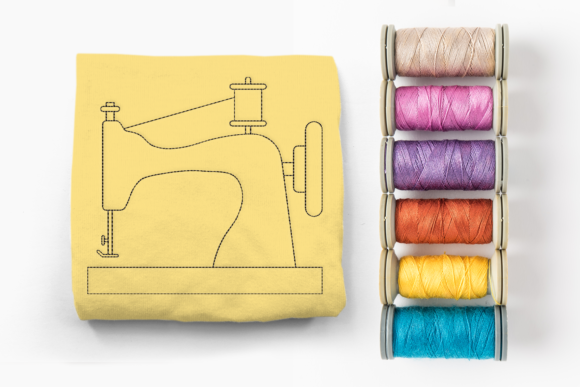
As an experienced embroidery designer, I spend a lot of time evaluating digital assets before they ever touch the hoop. Recently, I came across a design titled Antique Sewing Machine that caught my eye for a specific project: a limited drop of premium sweatshirts for a small boutique brand. The product description promises that this adorable embroidery design features an antique sewing machine and will appeal to the creative and crafty side of you. It also notes that the machine embroidery design comes with multiple embroidery file formats. While these details are promising, putting together a cohesive collection requires more than just a cute concept; it demands a deep understanding of how the stitches interact with fabric texture and thread colors.
The First Impression and Mood
When I first opened the design files for Antique Sewing Machine, the immediate feeling was one of rustic charm mixed with modern minimalism. For a boutique brand targeting Etsy sellers and handmade business owners, this aesthetic is gold. The design feels both playful and decorative, perfect for capturing the attention of customers who value craftsmanship. Unlike generic logos, this piece has a distinct personality that speaks directly to the sewing community.
I envision this design not just as a logo, but as a statement on a cozy seasonal apparel piece. On a neutral sweatshirt, the antique motif stands out without being overwhelming. However, the success of the finished product depends heavily on the execution. Does the design feel strong enough for commercial embroidery use? In my initial assessment, the layout suggests a balance between detail and readability, which is crucial when scaling down for hoodie chest placement or upsizing for back designs.
Applying the Design to Sweatshirt Embroidery
One of the most exciting aspects of working with Antique Sewing Machine is its versatility across different garment types. I am currently planning a drop that includes oversized hoodies, fitted crewnecks, and pullover sweatshirts in various shades. Here is how I see the design performing on different fabrics:
- Neutral and Pastel Colors: On soft creams, light grays, or pastel blues, the antique theme creates a warm, inviting vibe. This combination works exceptionally well for lifestyle product photography, making the item look approachable and high-quality.
- Dark Fabric: When placed on charcoal or navy sweatshirts, the contrast becomes bolder. To ensure the design pops, I would need to select bright, high-contrast thread colors. The vintage nature of the machine might require metallic threads to add a touch of luxury, elevating the perceived value of the item.
- Oversized Hoodies: For a streetwear-inspired look, placing the Antique Sewing Machine on the sleeve accent area adds a subtle detail that fashion-forward buyers love. It transforms a basic garment into a custom apparel piece that feels curated and unique.
For a small shop product, the ability to adapt the design to different placements is key. Whether it is a centered chest logo or a large back print, the design must maintain its integrity. I am particularly interested in seeing how the stitch density holds up on the thicker fabric of a heavy-weight sweatshirt. If the design is too dense, it could create a stiff spot that ruins the drape of the hoodie.
Technical Considerations for Commercial Use
Before moving to production, there are several practical concerns that every embroidery designer must address. The description mentions that the design comes with multiple embroidery file formats, which is excellent news for compatibility. However, having the right file is only half the battle. The physical execution relies on choosing the correct stabilizer and managing the hoop size effectively.
Fabric Texture and Stabilizer Choice: Sweatshirts have a textured surface that can be tricky to embroider. Without proper backing, the stitches might sink into the loops of the fleece, losing definition. I recommend using a cut-away stabilizer for this project to ensure durability through multiple washes. The goal is a finished product that looks crisp and professional, not puckered or loose.
Stitch Density and Readability: One of the biggest risks with intricate designs like an antique machine is that fine details can get lost if the stitch density is too low. Conversely, if the density is too high, the design becomes stiff. I need to verify the specific stitch count and ensure that the smaller elements of the sewing machine remain legible, especially when viewed from a distance on a mockup preview.
Thread Color Contrast: The mood of the design shifts dramatically based on thread selection. A monochromatic scheme might feel modern and sleek, while multi-colored threads could emphasize the "crafty" aspect mentioned in the description. Since the design appeals to the creative side, I believe offering a variety of thread colors will allow our customers to personalize their own handmade products.
Impact on Brand Identity and Product Value
In the world of digital sellers and Etsy listings, visual recognition is everything. Using a design like Antique Sewing Machine helps establish a clear brand identity. It signals to the customer that this is a thoughtful, niche product designed by someone who understands the craft. When a buyer sees this specific imagery, they immediately associate the item with creativity and skill.
This association drives customer engagement and builds trust. A well-executed embroidery design on a premium sweatshirt elevates the perceived value of the item. It justifies a higher price point because the customer sees the effort and artistry involved. For a boutique brand, this is essential for standing out in a crowded market. The design acts as a visual asset that tells a story about the maker and the wearer.
Furthermore, the versatility of the design allows for creative marketing strategies. We can use printable mockups featuring the design on different backgrounds to showcase its adaptability. Whether it is styled with denim for a casual look or paired with accessories for a feminine vibe, the Antique Sewing Machine serves as a versatile focal point.
Final Thoughts on Production
Overall, the Antique Sewing Machine design has immense potential for a boutique brand looking to expand their catalog. It strikes a nice balance between cute and sophisticated, making it suitable for a wide range of audiences. However, before committing to a full run, it is vital to check the specific technical details provided in the package. Readers should always verify the exact stitch count, recommended hoop size, and any licensing terms regarding commercial embroidery use.
If the file structure is clean and the digitization is sound, this design will serve as a cornerstone for a successful collection. It offers the perfect blend of nostalgia and modern style that resonates with today's crafters and entrepreneurs. By paying close attention to thread colors, stabilizer choices, and placement techniques, we can turn a simple digital file into a cherished wearable piece of art.
For those of you running small clothing brands or looking to launch your own line of custom apparel, keep an eye out for designs that tell a story. The Antique Sewing Machine does exactly that. It invites the wearer to celebrate their passion for creation, turning a simple sweatshirt into a badge of honor for the handmade movement. With careful planning and execution, this machine embroidery design is poised to become a favorite among Etsy sellers and fashion enthusiasts alike.