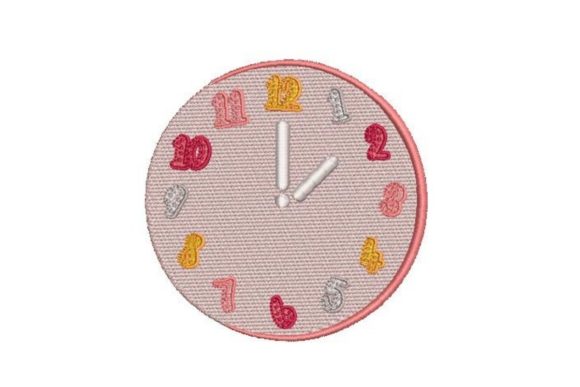
Abstract Clock Embroidery Review for Real Projects
As a professional embroidery designer who spends hours daily digitizing and testing designs, I approach every new download with a mix of curiosity and skepticism. When I first encountered the Abstract Clock design on Creative Fabrica, my immediate thought was not about its technical specs, but rather how it would translate into a tangible, sellable item for my shop. The product description promises a lovely design perfect for decorating a child's room to teach them how to read a mechanic clock. While that sounds simple enough, the real test lies in whether this machine embroidery design holds up under the pressure of commercial production or a high-stakes custom order.
In this review, I am stepping out of the digital realm to look at Abstract Clock as if I were preparing it for a real customer project. Whether you are an Etsy seller looking for unique nursery decor, a small business owner creating boutique merchandise, or a crafter making personalized gifts, understanding the practical application of this embroidery file is crucial before you hit the stitch button.
First Impressions: Visual Mood and Design Personality
The moment I opened the preview, the Abstract Clock design stood out because of its modern interpretation of a classic object. It does not try to be a literal, old-fashioned wall clock; instead, it offers a contemporary aesthetic that feels right at home in a stylish nursery or a trendy kids' bedroom. The abstract nature of the lines suggests a playful yet sophisticated vibe, which is exactly what parents today look for when they want educational items that do not look childish.
From a design perspective, the layout appears to balance negative space with intricate details. For an embroidery designer, the appeal here is the potential for texture. An abstract clock naturally invites a mix of stitch types. I can already visualize using a combination of satin stitch for the bold outlines to give definition, while filling the interior shapes with fill stitch to create a soft, tactile surface that mimics the face of a clock without being too rigid. This versatility makes it a strong candidate for various House category projects, from wall hangings to soft furnishings.
Real-World Application: From File to Finished Product
Let us imagine a scenario where I have received a custom order for a set of matching baby blankets and a tote bag for a newborn shower. The client wants something educational but artistic. Would Abstract Clock fit? Absolutely. The design's clean lines make it ideal for a tote bag design where the embroidery needs to be visible but not overwhelming. On a sweatshirt embroidery project, the abstract style adds a graphic element that appeals to older children and teenagers, expanding your market beyond just babies.
I also see significant potential in the kitchen towel and pillow cover markets. A kitchen towel featuring this design could serve as a charming "Time to Bake" gift, blending the concept of time with domestic life. Similarly, placing this design on a pillow cover for a nursery creates a focal point that draws the eye. For those selling on platforms like Etsy, having a versatile design like this allows you to create a cohesive collection. You could offer a digital embroidery file for customers to use themselves, or sell the finished product directly as a handmade item.
The design also lends itself well to commercial embroidery applications such as branded aprons for bakeries or coffee shops. The clock motif implies punctuality and care, which are excellent brand values. Furthermore, if you are a creator who sells printable mockups or design assets, this piece offers a great subject for showcasing your work in a realistic setting.
Technical Considerations and Stitching Challenges
While the visual appeal is undeniable, an experienced designer knows that the devil is in the details. Before committing to a full run of custom apparel, one must consider the technical constraints of Abstract Clock. One of the primary concerns with any abstract design is the handling of tiny lettering or minute geometric details. If the design includes text to help children learn to tell time, we must ensure the font size is large enough to be readable after stitching.
Stitch density is another critical factor. Abstract designs often rely on fill stitches to create shape. If the density is too high, the fabric may pucker, especially on delicate materials like cotton muslin used for baby blankets. Conversely, if the density is too low, the underlying fabric might show through, ruining the clean look of the abstract lines. I always recommend testing on scrap fabric that matches the weight and stretch of your final product. If you plan to embroider on stretchy fabric like a jersey sweatshirt, you will need a reliable stabilizer to prevent distortion.
The choice of thread colors plays a massive role in the final presentation. Because the design is abstract, high contrast between the background fabric and the thread colors is essential to maintain clarity. On dark fabric, you might need a higher thread count or a specific underlay technique to ensure the bright colors pop. Additionally, if you are working with curved surfaces like a cap or a patch, the flat layout of the design might require repositioning or resizing to accommodate the curvature without losing the integrity of the clock hands.
Practical Tips for Success
To ensure your Abstract Clock project meets professional standards, follow these essential steps:
- Test on Scrap Fabric: Always run a test stitch-out on a scrap piece of the exact fabric you intend to use. This helps you gauge tension and stability.
- Check Hoop Size: Confirm the recommended hoop size for the design. Attempting to stitch a large abstract pattern in a small hoop can lead to misalignment and wasted thread.
- Review Stitch Density: Inspect the digitization for areas that might be too dense, particularly around the center of the clock face where multiple elements might converge.
- Inspect Small Details: Zoom in on the original file to see if any fine lines are likely to break or merge during the stitching process.
- Confirm Licensing: Before selling finished items, carefully review the license terms on the Creative Fabrica product page to understand your rights regarding commercial use.
Elevating Product Value and Brand Trust
Using a high-quality design like Abstract Clock significantly impacts the perceived value of your handmade products. In a crowded marketplace, buyers are drawn to items that show attention to detail and thoughtful design choices. An embroidered clock that looks crisp and professionally executed builds buyer trust instantly. It signals that you care about quality, which encourages repeat business and positive reviews.
Furthermore, the aesthetic appeal of this design enhances product photography. A well-executed embroidered patch or a beautifully stitched kitchen towel photographs exceptionally well, catching light and shadow in ways that highlight the texture of the stitches. This visual appeal translates directly to higher engagement rates on social media and better conversion rates on your online store.
When you incorporate Abstract Clock into your lineup, you are offering more than just a decoration; you are providing a tool for learning and a piece of art that grows with the child. This narrative strengthens the emotional connection between the buyer and your brand. Whether you are creating a personalized gift for a specific occasion or stocking shelves with seasonal handmade gifts, this design offers a timeless theme that resonates with families.
In conclusion, Abstract Clock presents itself as a versatile and visually striking option for embroidery professionals. Its abstract nature allows for creative freedom in color selection and material pairing, while its thematic relevance ensures it remains useful across a wide range of projects. By taking the time to test, stabilize, and present the design correctly, you can transform a simple digital file into a premium handmade product that stands out in the competitive world of craft entrepreneurship.